Understanding Osho: The Teacher Behind the Techniques
Who Is Osho?
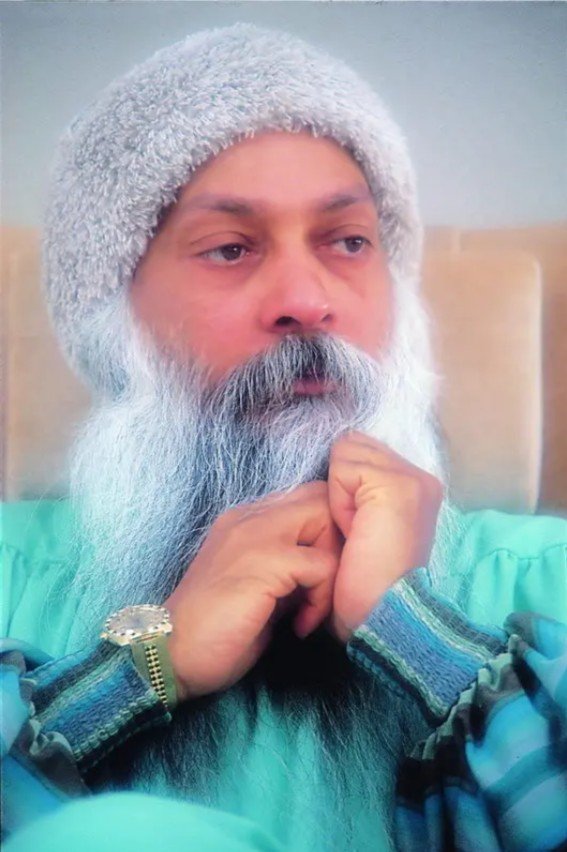
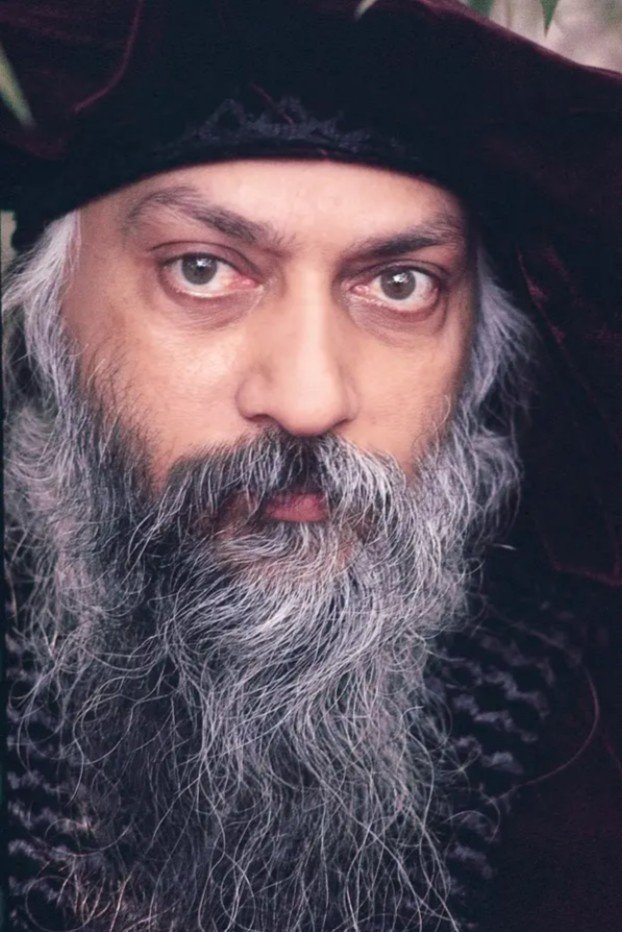
Osho (1931-1990) is an Indian spiritual teacher who developed innovative meditation techniques specifically designed for contemporary minds. Born Chandra Mohan Jain, he later became known as Bhagwan Shree Rajneesh and finally as Osho.
His unique contribution to meditation and consciousness work influences millions of practitioners worldwide. Unlike traditional teachers who adapted ancient methods, Osho recognized that modern conditioning requires new approaches—dynamic, cathartic, and celebratory paths to meditation.
Through decades of experimentation and insight, he created comprehensive systems that address the unique challenges of contemporary life: constant mental activity, emotional suppression, physical tension, and disconnection from the body.
His Revolutionary Contribution to Meditation
Osho recognizes that traditional sitting meditations, developed for different times and cultures, often don't work well for modern people conditioned by constant activity, emotional suppression, and mental overload.
He creates active meditation techniques that help contemporary practitioners access deeper states of awareness through preparation and cathartic release. His methods use movement, breath, sound, and expression to release accumulated tension before entering stillness.
This approach acknowledges that modern humans carry different conditioning than ancient practitioners—we need techniques that work with our reality, not against it.
Key Innovations in Meditation Practice
Osho developed a comprehensive system of meditation techniques, each designed for specific aspects of transformation:
- Active Meditation (Dynamic Meditation): Movement and cathartic stress release followed by stillness—the flagship technique for releasing accumulated tension
- Kundalini Meditation: Gentle shaking and dance preparation for awareness, allowing the body's natural wisdom to guide the process
- Emotional Release Techniques: Safe expression methods for processing suppressed emotions without harming ourselves or others
- Celebration as Practice: Joy, dance, and community as spiritual paths—recognizing that bliss is as valid as silence
- Integration Approach: Combining Eastern wisdom with Western psychology and contemporary accessibility

Connection to Accepted Therapeutic Practices
Osho's active meditation techniques align closely with now well-established therapeutic approaches. What seemed unconventional decades ago now has strong validation from contemporary psychology and neuroscience:
Somatic Therapy & Body-Based Healing:
- Trauma Release: Similar to Peter Levine's Somatic Experiencing and Bessel van der Kolk's trauma work
- Embodied Awareness: Parallels contemporary mindfulness and somatic psychology
- Nervous System Regulation: Movement-based stress release now validated by neuroscience
Dance & Movement Therapy:
- Authentic Movement: Similar to established dance therapy practices
- Expressive Arts Therapy: Creative expression for emotional processing
Why We Integrate His Techniques
At our center, we integrate Osho's meditation methods because they address the real challenges modern practitioners face. These are not abstract philosophies but practical tools that produce measurable results:
- Releasing chronic stress and emotional conditioning that blocks traditional meditation—clearing the way for genuine stillness
- Preparing contemporary minds conditioned by constant activity for deeper meditation states
- Integrating spiritual practice with daily life rather than seeing them as separate realms
- Addressing modern psychological and physical tension patterns not addressed by ancient techniques alone
- Creating accessibility for people who struggle with traditional sitting meditation

Our Approach to the Teachings
We focus on meditation techniques that have scientific backing and have helped thousands of people worldwide. We maintain discriminating wisdom and professional standards while sharing what genuinely helps people develop awareness and reduce suffering.
We combine Osho's insights with classical yoga, Zen meditation, Vipassana awareness, and self-inquiry approaches. This integration creates comprehensive tools for modern transformation while honoring the wisdom of multiple authentic traditions.
The goal is not to promote any ideology or personality worship, but to use preparation techniques that help people access the universal principles found in all authentic spiritual traditions: awareness, compassion, and freedom from unnecessary suffering.
Educational Approach: We maintain an educational, non-dogmatic approach that focuses on what works for transformation while acknowledging the complexity of spiritual teachers and their historical contexts. Our goal is authentic spiritual development supported by both traditional wisdom and contemporary understanding.